Real Estate Management
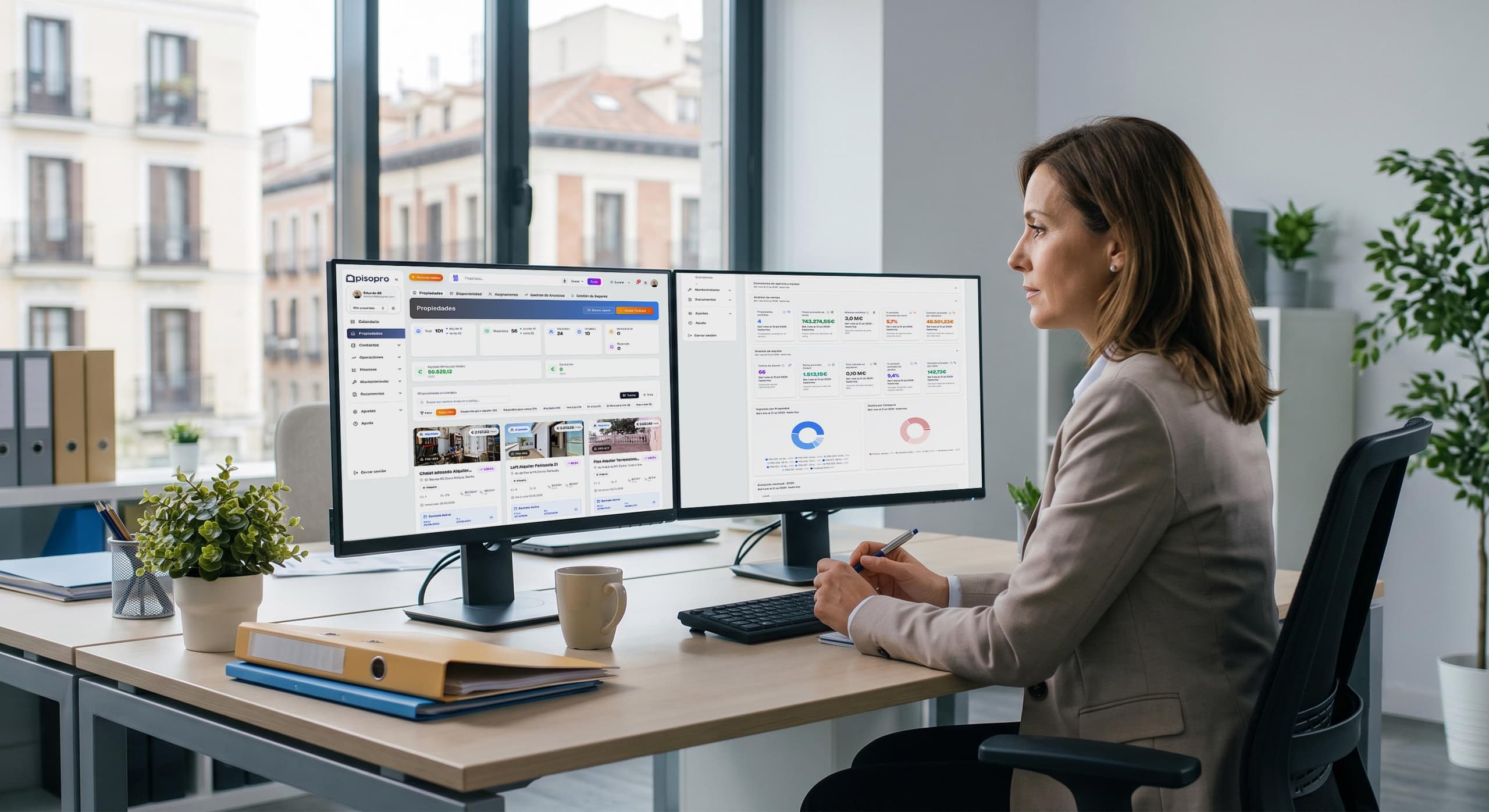
Property management (HOA/community management) is one of the service businesses most resistant to change within the Spanish real estate sector. The reasons are understandable: clients used to traditional ways, regulated processes that people are afraid to touch, and a professional culture where "if it works, don't change it" has been the norm for decades.
However, the environment is changing faster than many property managers care to admit. Community owners expect more. Regulations demand more documentation. And managers who have modernized their operations are growing at the expense of those who haven't.
This article explains what has changed, which tools the most efficient managers are using, and why modernization is not as complicated as it seems.
Four major shifts have altered the operational landscape for property managers in recent years:
Document digitization is now an expectation, not a selling point. The most active homeowners' associations (HOAs) expect to receive meeting minutes, construction budgets, and financial reports digitally—accessible right from their mobile phones—without waiting for postal mail or hand delivery. A manager still sending everything on paper is lagging behind in client perception.
WhatsApp has become the main communication channel. For better or worse, many owners and residents report issues, ask questions, and submit complaints via WhatsApp. Managers who haven't adapted their operations to this channel end up managing dozens of scattered parallel conversations without structure, risking critical details getting lost.
Energy efficiency and accessibility regulations require more document tracking. Energy performance certificates, technical building inspections (IBT/ITE), accessibility renovation projects, and elevator maintenance reports—the documentation burden for a homeowners' community in 2026 is significantly higher than it was five years ago. Without a structured digital archive, document management time grows endlessly.
AI has entered industry tools. Managers working with systems incorporating artificial intelligence can automate incident categorization, draft communications to owners, track renovation estimates, and monitor maintenance contracts nearing expiration.
A property manager relying on unorganized emails, Excel spreadsheets, and desktop folders isn't being traditional—they are being slow.

Unlike residential leasing, HOA and community management has specific requirements that general real estate software fails to address properly. A dedicated system must include:
Community management with individualized dues: Each property owner has a distinct participation coefficient. The system must calculate this automatically and reflect it accurately on billing statements.
Digitally generated meeting minutes: Complete with official call notices, attendee tracking, agreements, and the manager's digital signature—without writing each document from scratch in Word.
Renovation budget management: Tracking estimate submissions, meeting approvals, execution status, and final documented costs.
Maintenance contract control: Tracking elevators, gardens, swimming pools, fire extinguishers, and alarm systems. Each contract is tied to its vendor, renewal date, and service status.
Delinquency management with tracking: Automatic detection of unpaid dues, tiered collections notices, and tracking of formal legal proceedings if necessary.
Many property managers also handle individual rental units for owners within the communities they manage. It is a natural service offering that increases average revenue per client.
The problem is that this is usually handled across two different platforms: one for community administration and another (or an Excel sheet) for rental management. This creates duplicate work, fragmented information, and a disjointed user experience for both the manager and the owner.
A unified platform combining property management and rental management provides a single, consolidated view of every asset: the community it belongs to, its active lease contract, tenant details, collections, and maintenance tickets—all in one place.
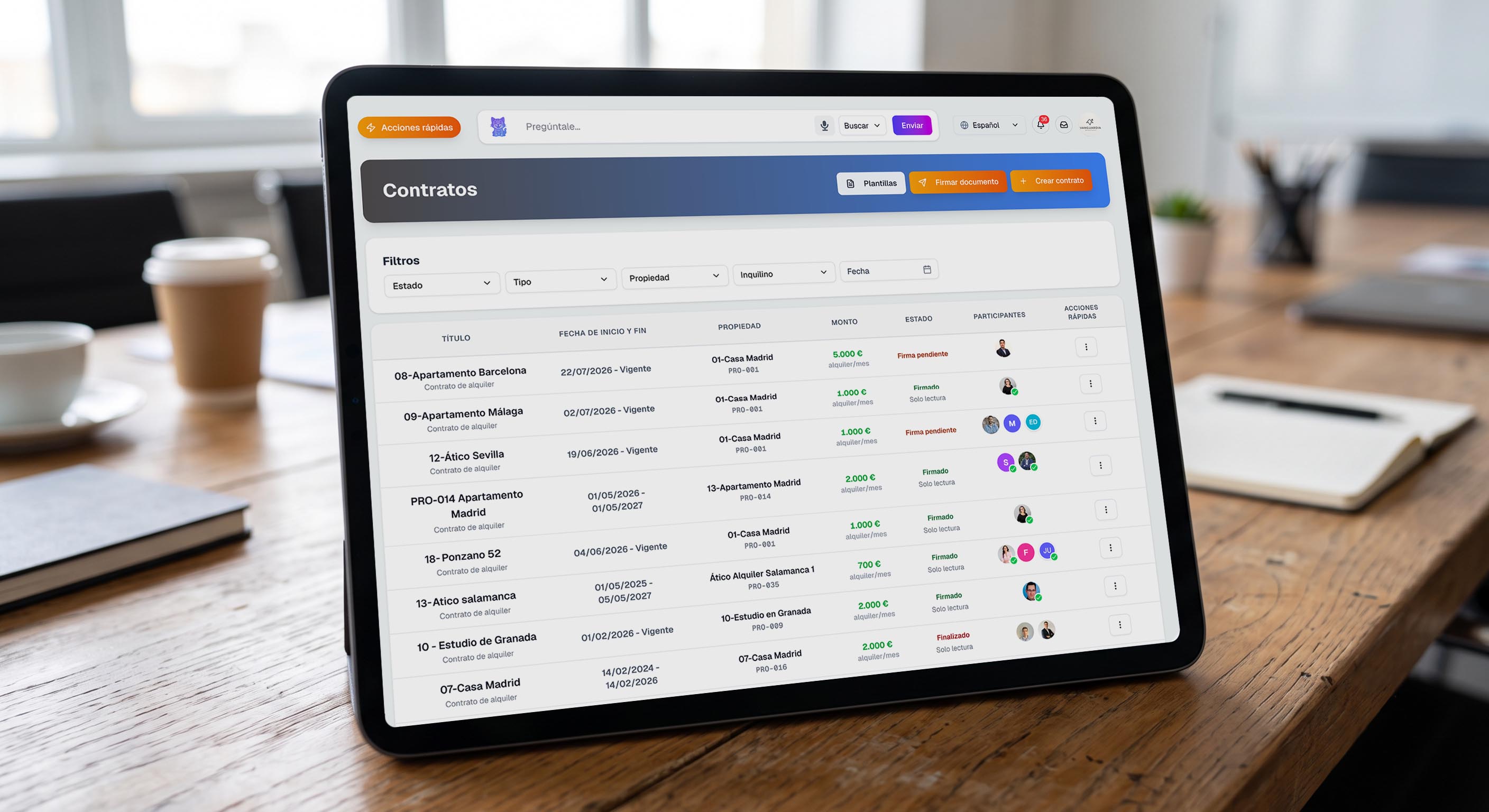
Modernization does not have to be a six-month ordeal. Following a logical order minimizes operational risk while maximizing immediate impact:
Centralize documentation: Start by digitizing the meeting minutes from the last two years and all active maintenance contracts. This forms the core of your digital archive.
Unify communication channels: Set up a dedicated company WhatsApp Business account (not a personal mobile number) as the primary intake channel for incidents. This alone creates a massive leap in organization.
Automate dues and receipts: This is the most repetitive task and the one that saves the most time day-to-day.
Enable maintenance and contract alerts: Ensure no one relies on manual memory to check when the elevator contract expires.
With these four steps implemented, your operation will be significantly more efficient than most competitors. From there, you can progressively introduce additional layers of automation and AI.
Discover how pisopro can help you implement all these strategies and automate your property management.
Request demoSign in with Google to leave a comment
Loading comments...
Decision guide: what software for real estate agencies must include, who it is for, which modules matter, and when switching pays off.
Real Estate ManagementAI for property management: leads, incidents, Pepe’s end-to-end flow, and what still needs a person.
Real Estate ManagementReal estate CRM for agencies and rentals: lead-to-close flow, generic CRM vs operations, and how it looks in pisopro.