Real Estate Management
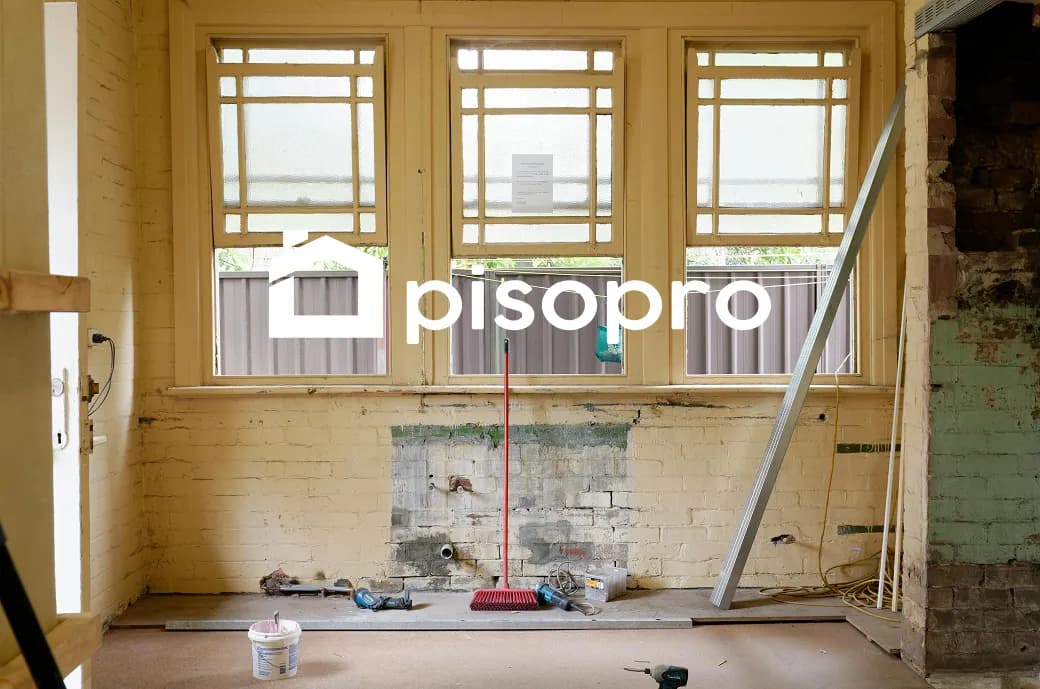
A calm tenancy depends on more than the lease: it depends on how you handle surprises. A leak, a breakdown, or a dispute about who pays for a repair stays small when there is a paper trail, clear communication, and reasonable response times, or grows expensive when everything lives in lost phone calls and screenshots.
This guide is practical: a structured approach for landlords who want less friction and a healthier tenant relationship without giving up their rights.
Not everything is urgent, or the landlord's responsibility. In practice, separate:
Important: each case can vary by contract and applicable law. For legal questions, speak with a qualified professional, here we focus on operational best practices.
Before debating responsibility, build facts. The earlier you document, the less room for crossed interpretations.
Keep a clear thread: what happened, what you propose, by when, and what you need from the tenant (access, extra photos, etc.). Avoid ambiguous messages in apps you cannot find later. Keeping communication in one place helps nothing get lost between email and chat.
When there is immediate risk, prioritize containment and safety. Shut off water or mains power when appropriate, avoid unsafe DIY on critical systems, and contact a qualified service. Notify the tenant clearly: what is happening, what you already did, and the next step.
If the fix requires certification, warranty coverage, or technical skill, hiring the right professional the first time is often cheaper than fixing a bad job. For simple, low-risk tasks, standardize a procedure (trusted vendor, time window, access policy).
When incidents mix with invoices in email and alerts on your phone, you recreate the spreadsheet problem: scattered information. A property-level file, what happened, what it cost, what is still open, saves time at renewals, claims, or tenant changes.
That file is the ticket: 24/7 intake, classification, photos, vendor, follow-up, and close. Property incident management starts with Pepe Maintenance. See how Pepe handles an incident.
Handling incidents with method reduces stress and protects both asset performance and the tenant relationship. Documentation, clear communication, and fast decisions in emergencies are the core of solid operations.
pisopro is built so rental management does not depend on loose files: you can keep context per property, organize documents, and run day-to-day operations with less friction. If you want to see how it fits your workflow, request a demo and we will show you a concrete example.
Keep exploring pisopro: property management software, incident management, financial management, tenant portal and events calendar. You can also book a demo.
Discover how pisopro can help you implement all these strategies and automate your property management.
Request demoSign in with Google to leave a comment
Loading comments...
Decision guide: what software for real estate agencies must include, who it is for, which modules matter, and when switching pays off.
Real Estate ManagementAI for property management: leads, incidents, Pepe’s end-to-end flow, and what still needs a person.
Real Estate ManagementReal estate CRM for agencies and rentals: lead-to-close flow, generic CRM vs operations, and how it looks in pisopro.